What Silicon Valley Gets Right (and Wrong) About Data Center Equipment

If you’ve seen the TV show Silicon Valley, you might recall how servers are treated almost like sacred objects. Characters speak in hushed tones around racks of blinking lights. When someone trips over a cable, it seems like a disaster. The show makes data centers seem mysterious and high-stakes, where a single mistake could bring down an entire company.
 
That’s an exaggeration, of course, but there’s some truth to it.
 
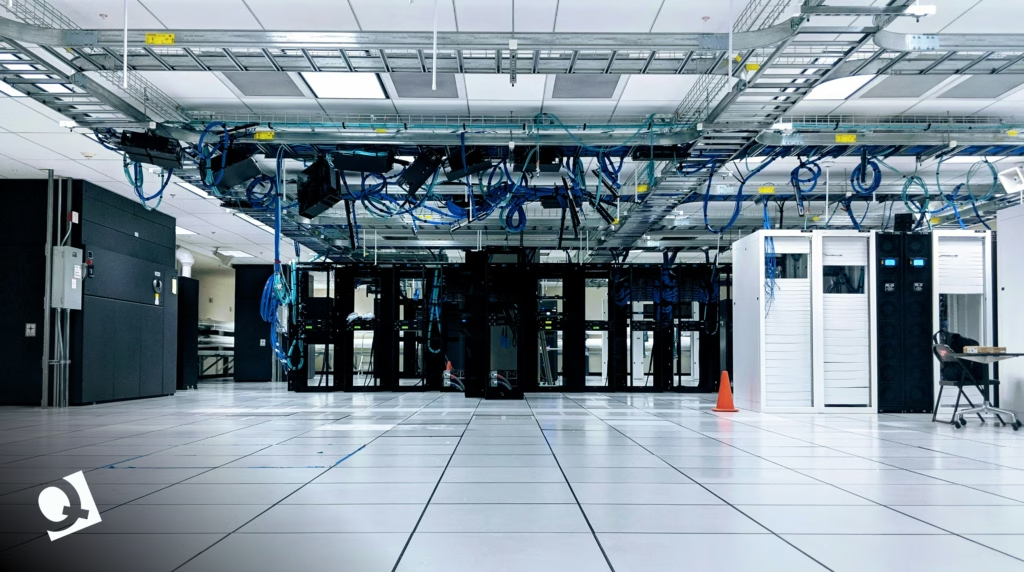
Every app, website, video call, cloud file, and AI tool we use relies on a physical space full of hardworking equipment. Data centers aren’t just abstract ideas. They’re real rooms, buildings, and even campuses packed with machines that need to run all the time, stay cool, stay secure, and remain reliable.
 
You don’t need an engineering degree to understand data center equipment. It just helps to break things down into simple, practical parts. Let’s get started.

The Quiet Backbone of the Internet


Most people think of software when they think about technology, apps, platforms, dashboards, and interfaces. But software can’t work by itself. It needs hardware to run, store data, process requests, and move information between systems.
 
That’s where data center equipment comes in.
 
At its core, a data center is a controlled environment designed to house and protect computing equipment. The goal is simple: keep systems running 24/7 without interruption. Everything inside a data center supports that goal, directly or indirectly.
 
Some equipment thinks. Some store information. Some keep everything powered. Some keep everything cool. And some exist purely to prevent chaos.

Servers: Where the Work Happens


Servers are the stars of the show, and for good reason. They are the machines that actually run applications, process data, and respond to user requests.
 
In a TV show, a server might look like a magical black box. In real life, it’s a specialized computer built for reliability and performance. Servers are designed to operate continuously, often for years, without being shut down.
 
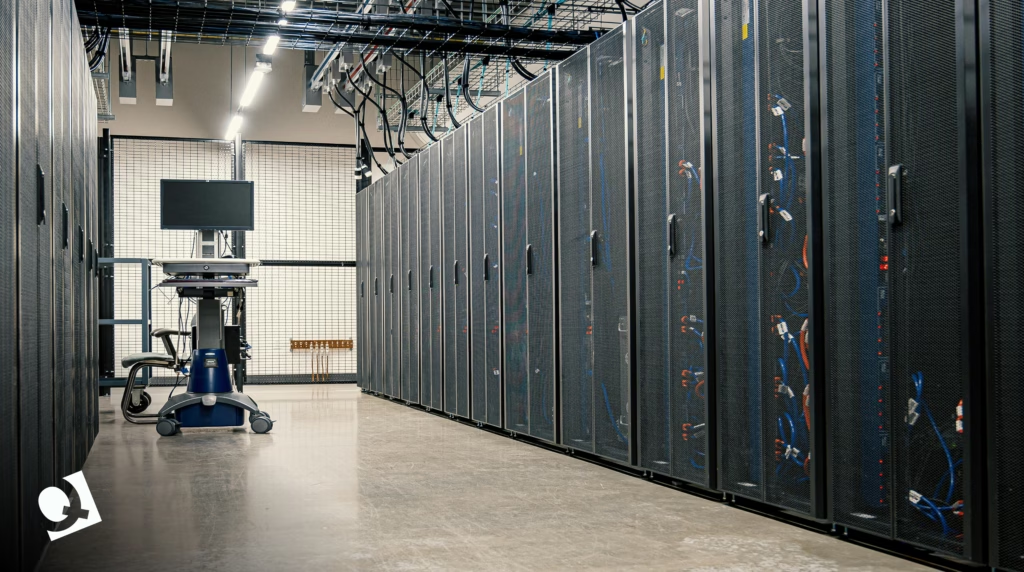
They usually live in metal racks, stacked neatly one on top of the other.
 
Each server has processors, memory, storage, and network connections, similar to a personal computer, but scaled up and hardened for continuous operation.
 
Different servers serve different purposes. Some handle databases. Others manage web traffic. Some run virtual machines. Others are optimized for high-performance computing or AI workloads.
 
What matters most is consistency. A server doesn’t only need to look impressive. It also needs to work every single time.

Storage Equipment: Where the Data Lives


If servers are the brain, storage is the memory.
 
Storage equipment is where data actually lives when it’s not actively being processed. This includes customer records, application data, backups, videos, images, logs, and everything else organizations can’t afford to lose.
 
Modern data centers use a mix of storage types. Some systems prioritize speed, using solid-state drives to deliver fast access. Others prioritize capacity, using larger disks to store massive volumes of data at a lower cost.
 
Redundancy is critical here. Data is rarely stored in just one place. Copies are spread across multiple drives, systems, or even locations so that if something fails, the data remains accessible.
 
On TV, losing data often happens instantly and dramatically. In reality, data loss is usually slow, preventable, and tied to poor planning or neglected equipment.

Networking Equipment: The Digital Highway


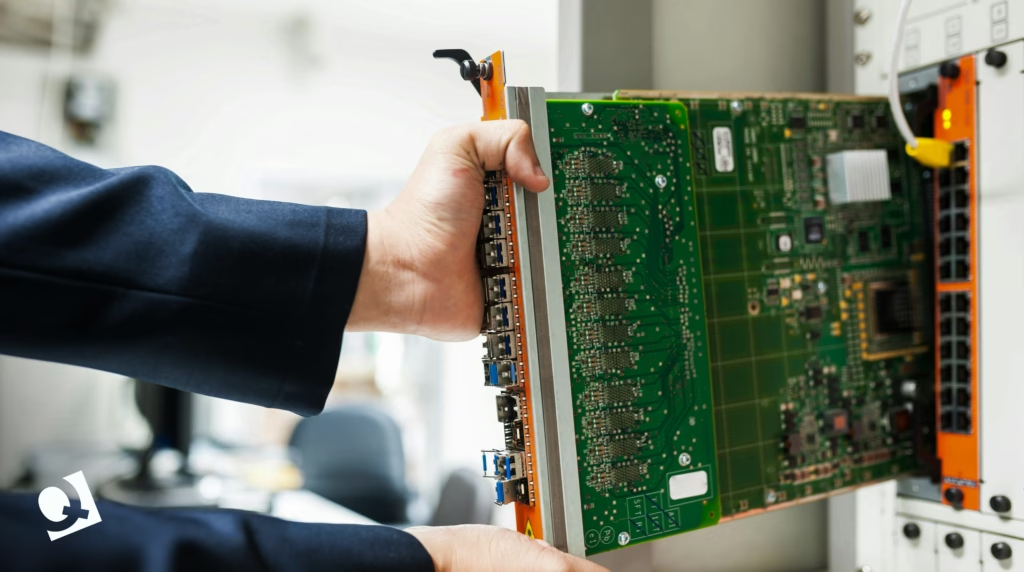
Servers and storage are useless if they can’t communicate. Nequipment enables data to move within the data center and out to the world. This includes switches, routers, firewalls, and cabling systems.
 
The switches connect devices within the data center, making sure traffic flows efficiently between servers and storage systems. Routers manage traffic between networks, directing data to the right destinations. Firewalls control access and help protect systems from unauthorized activity.
 
Cabling may not look exciting, but it’s one of the most critical components. Poor cable management leads to airflow problems, maintenance headaches, and human error. In real data centers, cables are labeled, routed, and secured with obsessive care.
 
This is one area where the Silicon Valley panic scenes feel familiar. One unplugged cable can cause real problems, even if it doesn’t bring the internet crashing down in slow motion.

Power Equipment: Keeping the Lights On


Data centers are power-hungry environments. Servers need electricity, but they also need stable, clean power.
 
Power equipment includes uninterruptible power supplies (UPS), power distribution units (PDUs), backup generators, and monitoring systems. Their job is to make sure that power interruptions do not interrupt operations.
 
If the main power source fails, UPS systems provide immediate backup power, buying time for generators to start. Generators then supply electricity for extended outages. This is not optional equipment. Even a few seconds of downtime can cause data corruption, service outages, or financial loss.
 
In reality, power planning is one of the most complex parts of data center design. It’s also one of the least visible when everything is working properly.

Cooling Equipment: Fighting Heat Every Second


Servers generate heat. Lots of it.
 
Cooling equipment exists to remove that heat and keep temperatures within safe operating ranges. This includes air-conditioning units, chillers, fans, liquid-cooling systems, and airflow-management tools.
 
Modern data centers are designed around airflow. Cold air is delivered where it’s needed most. Hot air is removed efficiently and kept from mixing with cool air.
 
When cooling fails, problems escalate quickly. Overheating can cause automatic shutdowns, hardware damage, and a shortened equipment lifespan.
 
This is one area where reality is far less dramatic than TV, but far more unforgiving. There’s no heroic fix at the last second. Cooling either works, or it doesn’t.

Racks and Physical Infrastructure: The Real Heroes


Racks, cabinets, and containment systems don’t get much attention, but they are essential. They hold servers and ensure proper airflow.
 
The cabinets protect the equipment from dust and accidents. Raised floors or overhead systems help route cables and cooling efficiently.
 
Good infrastructure makes maintenance easier and safer. Poor infrastructure makes simple tasks risky.
 
In many real data centers, the difference between smooth operations and constant problems comes down to how well this “boring” equipment was planned.

Monitoring and Management Tools


Modern data centers are heavily monitored environments.
 
Sensors track temperature, humidity, power usage, airflow, and equipment health. Data Management software alerts teams when something is out of range, long before a human would notice.
 
This proactive approach is what prevents small issues from becoming outages. It’s also why real data centers are usually calm places, not the high-stress chaos we see on TV.
 
Most of the work happens quietly, in dashboards and alerts, not frantic conversations.

Security Equipment: Physical and Digital


Data center security isn’t handled in just one way. It’s built in layers, with each layer backing up the next.
 
It starts with physical security. Access to a data center is tightly controlled. Cameras monitor activity, entry points are locked down, and sensitive areas are often protected by cages or restricted zones. In some facilities, biometric systems add another level of control, making sure only authorized people can get near critical equipment.
 
Then there’s the digital side. Security software constantly watches network traffic, looking for anything unusual. It blocks known threats, flags suspicious behavior, and enforces rules that keep systems from being exposed.
 
All of this exists for one simple reason: trust. Customers trust that their data will be handled safely. The equipment inside a data center plays a major role in protecting that trust every single day.

The Lifecycle of Data Center Equipment


One thing you rarely see in movies or TV shows is what happens when data center equipment reaches the end of the road.
 
None of this hardware lasts forever. Servers slow down over time. Storage systems fill up. Power equipment becomes less efficient. Cooling technology improves, leaving older systems behind.
 
At some point, equipment needs to be replaced, shut down, or fully decommissioned. That process takes planning. Data has to be moved carefully. Drives must be securely wiped or destroyed. Old hardware needs to be recycled or disposed of responsibly.
 
When organizations ignore this lifecycle, problems tend to pile up. Costs rise, risks increase, and day-to-day operations become harder than they need to be.

Data Center Equipment Is The Reason


AI, cloud computing, and digital transformation get a lot of attention, but all depend on the physical hardware that runs in the background.
 
The next time a TV show highlights a chaotic server room, keep in mind that the real effort happens in preparation, reliable backups, and systems quietly operating as intended.
 
It’s the data center equipment that makes our technology dependable, and always on; the steady background hum is what powers the digital world.
 
Next time you’re using your favorite app or video calling a friend, take a moment to appreciate the incredible data center equipment working tirelessly behind the scenes to make it all possible!

Refrigerant Recovery Machines: The Tool That Prevents Data Center Downtime

When data center disasters show up in movies, they all look the same.
Everything feels controlled, almost sterile. Then someone notices a warning on a screen. A moment later, smoke crept along the ceiling. Alarms go off. People start running. The servers are overheating, the facility is failing, and chaos takes over.
It makes for a great scene.
Real data centers do not fail like that.
In real data centers, nothing explodes or catches fire. There is no dramatic moment when everyone realizes something is wrong. Instead, problems develop quietly, which makes them even more dangerous.
Temperatures rise slowly. Cooling units run longer than usual. A warning appears, then clears. Everything seems fine, so everyone moves on.
Until the alarms finally sound, the problem has already been building for days or weeks.


The Problem Usually Starts Long Before the Outage


When a data center experiences downtime, the investigation almost always starts in the same place: Servers, power, and network equipment.
Cooling is often treated as a secondary system, something that either works or doesn’t. If the cooling is running, it is assumed to be fine.
In practice, many cooling failures do not happen suddenly; they start during maintenance.
An upgrade, a routine repair, component replacement, or scheduled service window can be eventful. Once the system is back online and dashboards turn green, it’s easy to assume that everything went smoothly.
Even a small issue during refrigerant handling might have occurred, one that remains hidden until the right conditions reveal the problem.


Why Refrigerant Handling Matters in Data Centers


Every time a cooling system is serviced, repaired, upgraded, or decommissioned, refrigerant must be removed from the system. This step is unavoidable.
A refrigerant recovery machine enables the safe extraction of refrigerant, stores it in certified recovery cylinders, and prevents its release into the environment or contamination of the system.
When the process is handled correctly, the cooling system can be returned to service as designed. If rushed or done improperly, long-term risks are introduced.


What Goes Wrong Without Proper Refrigerant Recovery


Improper refrigerant handling does not always cause immediate failure. That is what makes it dangerous.
Common issues include:
  • Loss of refrigerant during maintenance.
  • Moisture is entering closed refrigerant loops.
  • Air trapped inside system lines.
  • Incorrect refrigerant charge during restart.
Each of these issues places stress on compressors and reduces cooling efficiency. The system may appear to function normally at first, especially under light loads.
As demand increases, the margin disappears.


The False Confidence of a “Clean” Restart


After maintenance, cooling systems often restart without any apparent issues: dashboards return to green, temperatures stabilize, and teams move on.
All of this creates a false sense of confidence.
Cooling systems typically fail under load, not during idle conditions. A traffic spike, a backup, a software deployment, or a seasonal temperature increase can push a compromised system beyond its limits.
When that happens, thermal alarms escalate to that point fast enough that the opportunity for prevention has passed.


Why the Server Room Is Rarely the Real Starting Point


When servers overheat, everything downstream feels like an IT problem. Systems throttle back. Applications slow down or drop. Virtual machines scramble to move. Customers notice almost immediately.
From the outside, it appears to be a server failure. Inside the facility, the story is often very different.
In many cases, the real issue stems from the cooling work done days or even weeks earlier. A small mistake during maintenance. Refrigerant handling seemed routine at the time. Nothing dramatic enough to raise concerns right away.
Cooling failures tend to be delayed failures. This means it is not immediately apparent, and that delay makes them harder to diagnose, harder to explain, and far more expensive to fix once they surface.
By the time the servers react, the real damage has already been done.


Refrigerant Recovery Machines as a Reliability Tool


In data center operations, reliability depends on consistency.
Processes must be repeatable, verifiable, and documented. Refrigerant recovery machines support these processes by standardizing how refrigerant is removed and stored during maintenance, ensuring:
  • Clean refrigerant extraction without contamination.
  • Accurate refrigerant preservation for recharging.
  • Stable system pressure during restart.
  • Faster and more predictable recovery times.
Data center reliability is defined by execution.
Every maintenance task is an opportunity to protect system stability or introduce risk. Refrigerant recovery is often treated as a background step, but it directly affects cooling performance, equipment lifespan, and resilience. Ignoring it does not remove the risk. It simply delays the appearance of the consequences.


Why This Matters More in Modern Data Centers


Modern data centers operate with higher rack densities and tighter thermal thresholds. There is less tolerance for inefficiency.
As cooling architectures become more complex, even small refrigerant-related issues can have amplified effects. What was manageable in older facilities becomes unacceptable in high-density environments.
This makes refrigerant recovery machines a critical part of modern data center infrastructure management.


Downtime Prevention Starts Before the Alarms


In movies, data center failures are dramatic and immediate. In reality, they are quiet and gradual.
The most damaging outages often begin long before anyone notices a problem.
They begin during routine maintenance. During system restarts. During refrigerant handling, which is often overlooked.
Downtime prevention does not start in the server room.
It starts in the cooling system.
At Quantum Technology, cooling infrastructure is treated as mission-critical, not background equipment.
Our data center services focus on:
  • Reliable cooling system maintenance and modernization.
  • Proper refrigerant recovery and handling practices.
  • Risk reduction during upgrades and decommissioning.
  • Protecting uptime through disciplined infrastructure processes.
Whether you are maintaining existing systems, upgrading cooling infrastructure, or planning a data center decommissioning, the details matter.
Quiet failures are still failures.

Data Center Decommissioning Checklist: A Practical, Real-World Guide

Decommissioning a data center is not as simple as turning off the lights and unplugging the servers. It is a detailed process that handles data security, compliance, finances, operations, and people. Whether an organization is moving to the cloud, consolidating locations, or retiring aging infrastructure, the risks of getting it wrong are real.

This is where a data center decommissioning checklist becomes essential.

Instead of relying on your memory or scattered documentation, a checklist provides the team a clear path that helps avoid missed steps, protect sensitive data, and close projects with confidence.

This guide breaks down what data center decommissioning really involves, why a checklist matters, and how to use one in a practical, human way, not just as a technical exercise.

What Data Center Decommissioning Really Means


Data center decommissioning is the structured retirement of systems, hardware, applications, and facilities that are no longer needed or in use.

It can involve an entire data center or just specific components, such as servers, storage devices, or networking equipment.

Organizations typically decommission data centers when they migrate workloads to the cloud, consolidate facilities, upgrade outdated hardware, or even reduce operating costs. In many cases, the decision is driven by business strategy rather than technology alone.

Because data centers support critical services and store sensitive information, decommissioning must be approached carefully. One overlooked system or forgotten access point can lead to security gaps, compliance issues, or unexpected downtime.

Why a Data Center Decommissioning Checklist Is So Important


A data center decommissioning checklist turns a complex shutdown into a controlled process. It helps teams slow down, follow the correct order, and document each step along the way.

When you skip the checklist, you run into issues down the line: leftover data on old drives, lingering access permissions, or vendors that are still charging for services no one is actually using, which can become a headache.

Having a checklist in place helps us avoid these problems and ensures that everyone is on the same page.

It’s all about reducing risks and keeping everything running smoothly.

Just as importantly, it creates an audit trail. When regulators, auditors, or leadership ask how data was handled, the answers are already documented.

Data Center Decommissioning Checklist: Step-by-Step Overview


A strong data center decommissioning checklist focuses on: planning first, execution second, and verification at the end. Below is a practical framework that reflects how decommissioning actually happens in the real world.

Complete Data Center Decommissioning Checklist


Planning and Preparation


  • Be clear about what is shutting down and what is staying active.

  • List every server, system, and application involved.

  • Write down where data goes and who owns it.

  • Check for dependencies so nothing breaks unexpectedly.

  • Assign one clear person in charge for each step.

  • Set realistic dates and let people know in advance.

Compliance, Risk and Governance


  • Confirm laws, contracts, and policies apply.

  • Recognize all data that must be kept and for how long.

  • Flag areas where mistakes could cause outages or exposure.

  • Get written approvals before moving forward.

Data Backup and Migration


  • Back up all important data before touching or doing anything.

  • Test backups to make sure they actually work.

  • Move the required data to its new location.

  • Confirm users can access the data after migration.

Application and Service Decommissioning


  • Give users advance notice of shutdowns.

  • Turn off applications in the right order.

  • Shut down virtual machines and background jobs.

  • Remove integrations and automated connections.

  • Update DNS and traffic routing.

Data Sanitization and Destruction


  • Securely wipe drives using approved methods.

  • Destroy the encryption keys if they are no longer needed.

  • Physically destroy drives when required.

  • Keep records of who handled the data and when.

  • Collect destruction certificates.

Hardware and Asset Removal


  • Power down equipment carefully.

  • Tag and track every piece of hardware.

  • Decide what will be reused, recycled, or sold.

  • Use certified vendors for electronic waste.

Network and Security Cleanup


  • Remove user and admin access.

  • Delete firewall rules and VPN connections.

  • Shut off all monitoring linked to retired systems.

  • Double-check that nothing is still reachable.

Facilities and Infrastructure Closure


  • Shut down power and cooling systems.

  • Remove racks, cables, and flooring if required.

  • Return the leased equipment.

  • Update building access permissions.

Financial and Contract Closure


  • Cancel any licenses and vendor contracts, and confirm billing has stopped.

  • Update asset and accounting records.

Documentation and Final Audit


  • Save configurations and diagrams.

  • Store compliance and destruction paperwork.

  • Perform a final check that everything is complete.

  • Get formal sign-off.

Next, it is essential to conduct a comprehensive post-decommissioning review to identify lessons learned and areas for improvement in future projects.

This review should include all stakeholders to ensure that the decommissioning process was thorough, compliant, and met organizational standards. Finally, maintaining detailed records of the entire process will facilitate audits, support future planning, and ensure ongoing regulatory compliance.

Using a Data Center Decommissioning Checklist Pays Off


A structured data center decommissioning checklist helps organizations avoid any last-minute surprises and long-term risk.

The checklist ensures data is handled responsibly, systems are fully retired, and nothing critical is left behind.

More than anything, a checklist brings clarity. Teams know what has been done, what still needs attention, and when the project is truly finished.

When decommissioning is handled right, it becomes a clean transition rather than a lingering source of risk.

A data center may be shutting down, but the organization moves forward stronger, more secure, and better prepared for what comes next.

Decommission with confidence.

Decommissioning a data center is undeniably complex, but with the right checklist, you can simplify the process and enhance overall security. This structured guidance not only protects your organization but also positions you for future success.

It’s time to take proactive steps. Rally your team, consult the checklist, and embark on your data center decommissioning project with confidence. For those seeking further assistance or resources, don’t hesitate to reach out for expert support.

Upgrading or Moving Your Laboratory? Key Considerations for Safe Decommissioning

Upgrading or Moving Your Laboratory? Key Considerations for Safe Decommissioning

Laboratory decommissioning is a critical process, especially when laboratories undergo upgrades or relocations. Moving or upgrading a laboratory without a decommissioning plan can lead to safety hazards, regulatory complications, and unexpected costs. This guide outlines all key considerations for safe laboratory decommissioning, ensuring compliance, safety, and cost efficiency.

Understanding Laboratory Decommissioning

Decommissioning a laboratory involves closing down or preparing a facility for its next use, often focusing on safety, regulatory compliance, and environmental responsibility. Decommissioning is a complex process requiring coordinated efforts between lab managers, safety officers, and decommissioning specialists.

Reasons for Decommissioning a Laboratory

Laboratory decommissioning becomes necessary for various reasons, including lab upgrades, relocation, or facility closure. Each scenario brings unique challenges and priorities. For instance, decommissioning for relocation might prioritize safe equipment transfer, while closure may focus on full decontamination.

Planning for Laboratory Decommissioning

An effective decommissioning plan should include a step-by-step approach with a clear timeline. Key steps in planning include a risk assessment, inventory management, regulatory compliance checks, and coordination with experts.

Risk Assessment and Safety Protocols

Risk assessment involves identifying potential hazards like chemical exposure, biological contaminants, or radiation sources. Implementing safety protocols in advance helps protect staff and ensures that the decommissioning process follows industry standards.

Inventory Management and Disposal

Inventorying laboratory assets is crucial. This involves listing and categorizing all equipment, chemicals, and biological specimens. Proper disposal or relocation plans should be set for each item, particularly for hazardous materials, which require special handling.

Regulatory Compliance and Documentation

Decommissioning often requires adherence to federal, state, and local guidelines. Documenting each step and obtaining necessary permits help ensure compliance, avoiding fines and legal complications.

Environmental Impact and Sustainability

Decommissioning presents an opportunity to minimize environmental impact. This can include responsibly disposing of hazardous materials, recycling equipment, and seeking sustainable disposal options.

Hazardous Material Handling

Laboratories may contain hazardous materials such as toxic chemicals, biological agents, or radioactive materials. These must be handled by trained professionals who understand the risks and required disposal methods.

Decontamination and Cleaning

A comprehensive decontamination process involves cleaning surfaces, equipment, and containment areas. Thorough cleaning reduces contamination risk and prepares the lab for new occupants or equipment.

Equipment Disassembly and Removal

Equipment disassembly is another essential step, especially for sensitive or hazardous apparatus. This requires careful planning and professional expertise to avoid damage or contamination risks.

Transportation Logistics for Laboratory Relocation

Laboratory relocation often involves transporting delicate and valuable equipment. Planning logistics, including transportation modes, temperature control, and special handling, is essential to protect these assets.

Partnering with Decommissioning Experts

Experienced decommissioning partners bring expertise in regulatory compliance, equipment handling, and waste disposal, making them valuable collaborators. When choosing a partner, consider experience, safety certifications, and knowledge of specific laboratory needs.

Cost Considerations in Laboratory Decommissioning

The decommissioning process can be costly, but effective planning helps manage expenses. Breaking down costs by task—such as waste disposal, equipment relocation, and decontamination—can reveal opportunities for savings, such as through equipment resale or recycling.

Decommissioning Timeline

Typically, decommissioning timelines range from weeks to months, depending on lab size and complexity. A well-structured timeline should include clear milestones for each stage to ensure that processes stay on track and avoid delays.

Common Challenges and Solutions

Decommissioning can present several challenges, from logistical issues to compliance hurdles. Being prepared for these challenges, such as hazardous material handling or delayed permits, helps ensure a smooth process.

Case Studies and Real-World Examples

Several successful laboratory decommissioning projects demonstrate best practices. For example, laboratories that have relocated without incident typically emphasize early planning, a strong focus on regulatory compliance, and teamwork with experienced contractors.

Conclusion

Proper decommissioning is essential when relocating or upgrading a laboratory. By prioritizing safety, compliance, and sustainability, labs can achieve a smooth transition, avoid risks, and prepare facilities for future success.

Frequently Asked Questions

  1. Why is laboratory decommissioning important?
    Laboratory decommissioning is crucial to prevent environmental hazards, comply with regulations, and ensure safe disposal or transfer of lab assets.

  2. What happens to hazardous materials during decommissioning?
    Hazardous materials are handled by trained professionals and disposed of or relocated in compliance with environmental and safety standards.

  3. How long does a typical laboratory decommissioning process take?
    The timeline can vary from several weeks to months, depending on the complexity and size of the laboratory.

  4. Can decommissioning help with sustainability goals?
    Yes, decommissioning processes can emphasize recycling and eco-friendly disposal, reducing environmental impact.

  5. Is it expensive to decommission a laboratory?
    While costs can add up, careful planning can help manage expenses, and resale or recycling of equipment may offset some costs.

  6. What should I look for in a decommissioning partner?
    Look for experience, knowledge of local regulations, safety certifications, and a track record of successful laboratory projects.


Is Your Data Center Outdated? Signs It’s Time for an Upgrade

Is Your Data Center Outdated? Signs It’s Time for an Upgrade

In today’s rapidly evolving tech landscape, businesses depend on the agility and reliability of their data centers more than ever. But as technology advances, the demands on these infrastructures change, raising an important question: Is your data center outdated? In this guide, we’ll cover the clear signs of an aging data center and discuss why, how, and when to consider a much-needed upgrade.

Why Upgrading Your Data Center is Essential

Data centers are the beating heart of most businesses, hosting critical data, applications, and infrastructure. However, as they age, outdated data centers can become costly and inefficient, slowing down business operations. Let’s explore some of the compelling reasons why an upgrade can be essential:

  1. Enhanced Security and Compliance: Cybersecurity threats are continuously evolving, requiring up-to-date defenses.
  2. Cost Efficiency: Older data centers can be expensive to maintain, while newer technology often uses less power and requires fewer repairs.
  3. Environmental Sustainability: Newer centers offer energy-efficient systems, reducing both your carbon footprint and operating costs.

Key Signs Your Data Center Needs an Upgrade

Knowing when it’s time for an upgrade isn’t always straightforward. Here are some telltale signs that your data center is reaching the end of its life cycle.

Declining Performance and Frequent Downtime

If you’re experiencing unexpected outages or slow performance, these could be signs of aging hardware. Downtime can lead to productivity loss, frustrated clients, and a negative impact on your brand reputation. Older systems may struggle with increasing workloads and won’t be as responsive as newer technology.

Escalating Maintenance Costs

With older data centers, frequent repairs and part replacements can quickly add up. Not only are these systems harder to maintain, but they can also lead to significant unplanned costs that disrupt your budget. Investing in an upgrade can provide a better return on investment (ROI) over time by reducing these high maintenance costs.

Increasing Security Vulnerabilities

Outdated data centers often lack modern security features, making them vulnerable to cyber threats. Newer data centers are equipped with advanced cybersecurity measures, from firewalls to AI-driven anomaly detection. If your data center lacks these protections, an upgrade is a critical step toward safeguarding sensitive data.

Rising Energy Consumption

Older data centers consume more power due to outdated cooling systems and inefficient equipment. If you notice your energy bills rising without an increase in data processing demands, this could be due to inefficient systems. Upgrading to energy-efficient technology not only cuts costs but also aligns your business with sustainable practices.

Inability to Meet Compliance Standards

Regulatory requirements are continually evolving, and an outdated data center can put your organization at risk of non-compliance. Compliance standards often require secure, resilient, and updated systems to protect user data. Upgrading ensures you meet these critical standards and avoid costly penalties.

Limited Scalability and Flexibility

As your organization grows, so will your data needs. Older systems often lack the flexibility to handle increased workloads, limiting your ability to scale seamlessly. A modern data center, however, offers the adaptability and scalability necessary for future growth, ensuring that your infrastructure can evolve alongside your business.

Outdated Cooling Systems

Efficient cooling is essential to keep data centers operational, as high temperatures can damage equipment. If your cooling systems aren’t keeping up, equipment is more likely to overheat and fail. Advanced cooling systems offer better control and can cut down on energy use.

Key Technologies for Modern Data Centers

If you’ve recognized some of the signs above, you’re likely considering an upgrade. Here are some cutting-edge technologies to consider:

Virtualization and Cloud Integration

Virtualization allows you to create multiple virtual environments on a single physical server, increasing efficiency and reducing costs. Cloud integration further enhances flexibility, enabling scalable storage and processing power without needing additional hardware.

Enhanced Cooling Solutions

Modern cooling solutions, such as liquid cooling and airflow management, improve efficiency and reduce energy costs. These cooling systems are designed to meet the high-performance demands of today’s data centers while saving money.

Cybersecurity and Data Protection Tools

Advanced data centers incorporate the latest in cybersecurity, from AI-powered threat detection to encryption and multi-layered security protocols. Upgrading with these features protects your data and improves compliance.

Automation and AI in Data Management

Automation and artificial intelligence streamline data management, allowing real-time monitoring, anomaly detection, and predictive maintenance. Implementing AI-driven solutions improves operational efficiency and reduces human error.

Green Technologies for Energy Efficiency

Green technology options like energy-efficient servers, optimized lighting, and renewable energy sources can dramatically reduce your data center’s carbon footprint. These solutions also align your organization with global sustainability goals.

Benefits of a Data Center Upgrade

An upgraded data center provides multiple benefits:

  • Increased Operational Efficiency: Faster systems reduce downtime, improve processing speeds, and support uninterrupted operations.
  • Improved Security and Compliance: With the latest security features, your organization can better handle compliance and protect data.
  • Cost Savings: Reduced maintenance and energy costs directly impact your budget.
  • Sustainability: Energy-efficient systems reduce your environmental footprint, aligning with eco-conscious values.

Steps to Plan a Data Center Upgrade

Data Center Upgrade - Quantum Technology

Upgrading a data center requires careful planning. Here’s a step-by-step guide to ensure a smooth transition:

  1. Assessment: Begin with a thorough analysis of your current infrastructure.
  2. Budget Allocation: Determine a budget based on long-term cost savings.
  3. Vendor Selection: Choose reputable vendors to provide new equipment and services.
  4. Implementation Timeline: Plan a timeline to minimize disruptions to operations.

Common Mistakes to Avoid During a Data Center Upgrade

While upgrading, avoid these common mistakes:

  • Lack of Planning: Rushing into an upgrade without proper planning can lead to budget overruns.
  • Ignoring Security Needs: Security upgrades should be prioritized to protect against cyber threats.
  • Overlooking Scalability: Ensure the new data center can grow with your business.

ROI of Upgrading an Outdated Data Center

Investing in an upgrade yields strong returns, including reduced operational costs, improved performance, and lower energy expenses. By enhancing productivity and minimizing downtime, a new data center pays for itself over time.

Case Studies of Successful Data Center Upgrades

Several companies have seen incredible benefits from upgrading their data centers. For example, Company A reduced their energy costs by 30% with new cooling technology, while Company B improved their cybersecurity to comply with new regulations.

Future Trends in Data Center Technology

Looking forward, trends like edge computing, AI-driven automation, and 5G technology are set to shape the future of data centers. Staying informed about these trends can help future-proof your investments.


FAQs

  1. Why should I upgrade my data center?
    • Upgrading increases efficiency, improves security, and can lead to long-term savings.
  2. What are the first steps in planning a data center upgrade?
    • Start with an assessment of current needs, followed by budget planning and vendor selection.
  3. How does outdated equipment impact energy costs?
    • Older equipment typically uses more energy, increasing operational expenses.
  4. What are green technologies for data centers?
    • Energy-efficient servers, renewable power sources, and advanced cooling solutions are examples.
  5. How often should I consider upgrading my data center?
    • Generally, every 5-7 years is a good timeline to consider an upgrade.
  6. What’s the ROI on a data center upgrade?
    • A well-planned upgrade can provide strong returns through reduced costs and improved productivity.
Understanding Data Center Decommissioning: A Comprehensive Guide

Understanding Data Center Decommissioning: A Comprehensive Guide

In today’s rapidly evolving technological landscape, businesses frequently update or replace their data centers. When it comes time to decommission a data center, the process can be complex and multifaceted. This guide explores the essential steps involved in data center decommissioning, helping organizations manage this transition smoothly while minimizing risks and maximizing sustainability.

What is Data Center Decommissioning?

Data center decommissioning is the process of safely and efficiently shutting down a data center’s operations. This includes the removal and disposal of hardware, the secure deletion of sensitive data, and the reconfiguration or repurposing of the facility.

Why is Data Center Decommissioning Important?

  1. Security: Proper decommissioning ensures that sensitive data is irretrievably destroyed, reducing the risk of data breaches.
  2. Cost Savings: Efficient decommissioning can lower operational costs by eliminating outdated infrastructure and optimizing resources.
  3. Sustainability: Following environmentally responsible practices in the decommissioning process can help organizations meet sustainability goals.

Key Steps in the Data Center Decommissioning Process

  1. Planning and Assessment

    • Conduct a comprehensive inventory of all equipment and data.
    • Assess the condition of hardware and determine whether it can be resold, recycled, or needs disposal.
  2. Data Security and Destruction

    Data Security and Destruction

    • Implement a robust data sanitization process to ensure all sensitive information is securely deleted.
    • Follow industry standards and regulations for data destruction, such as NIST or GDPR guidelines.
  3. Equipment Removal and Disposal

    Data Center Equipment Removal and Disposal - Quantum Technology

    • disconnect and remove all equipment, ensuring no damage to the facility.
    • Dispose of electronic waste responsibly, working with certified e-waste recyclers.
  4. Facility Restoration

    • Clean and restore the space for future use or repurposing.
    • Consider retrofitting the facility to support new technologies or functions.
  5. Documentation and Compliance

    • Maintain thorough records of the decommissioning process, including data destruction certificates and disposal receipts.
    • Ensure compliance with legal and regulatory requirements throughout the process.

Best Practices for Successful Data Center Decommissioning

Best Practices for Successful Data Center Decommissioning

  • Engage Experts: Work with professionals who specialize in data center decommissioning to ensure compliance and efficiency.
  • Set Clear Goals: Define what success looks like for your decommissioning project and communicate these goals to all stakeholders.
  • Prioritize Sustainability: Implement green practices, such as recycling materials and donating usable equipment, to minimize environmental impact.

Conclusion

Data center decommissioning is a critical process that requires careful planning and execution. By following best practices and ensuring compliance with security and environmental standards, organizations can effectively navigate the decommissioning process, leading to significant benefits in security, cost savings, and sustainability.